
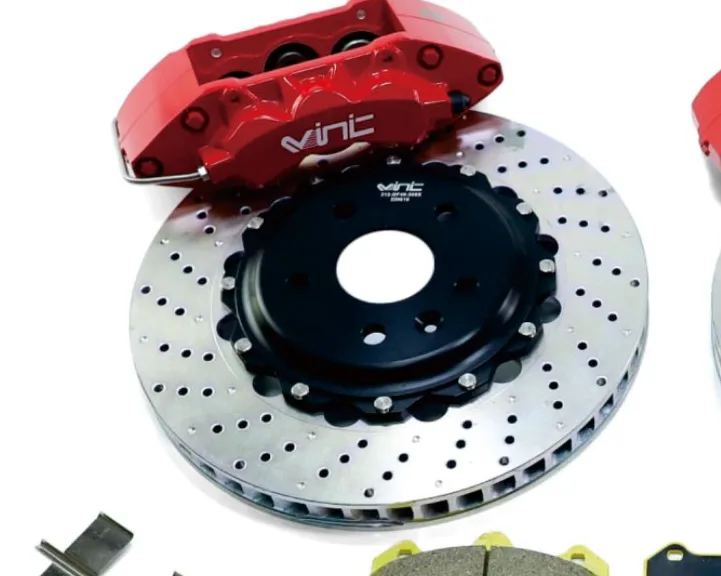

You did everything right — new pads, careful install, wheels torqued — and the first stop sounds like a bus pulling into a station. Take a breath: squeaking after a pad change is the most common brake complaint there is, and in most cases it is fixable in your driveway with no new parts. The trick is that “squeak” is a symptom with half a dozen distinct causes, and the fix for one does nothing for another. This guide walks through each cause, how to identify it, and exactly what to do.
The Short Answer
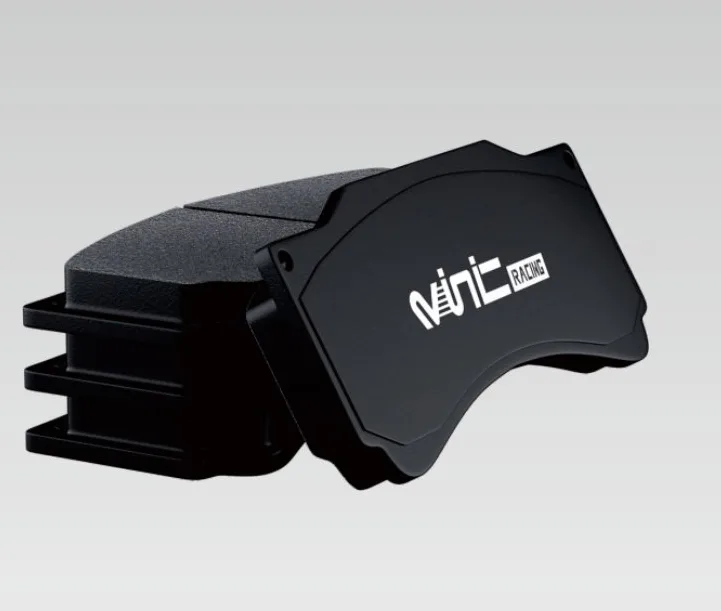
New brakes usually squeak for one of five reasons: the pads were never bedded in, the anti-rattle hardware or shims were skipped or mis-fitted, the pad contact points were not lubricated, the compound itself is noisy when cold, or the rotors are glazed or contaminated. Work through them in that order — the first one fixes the majority of cases.
First: Understand What a Squeak Actually Is
Brake squeal is vibration. Under friction, the pad oscillates against the rotor at high frequency — thousands of times per second — and the rotor, caliper and wheel act as a speaker. Anything that changes how the pad sits, moves, or grips changes the sound. That is why squeaks are so sensitive to installation details, and why the same pad can be silent on one car and noisy on another.
Cause 1: The Pads Were Never Bedded In

This is the most common cause by a wide margin. A new pad must lay down a thin, even transfer layer of friction material on the rotor. Until that layer exists, the pad rides on an inconsistent surface and vibrates. Bedding also heat-cures the pad, driving off manufacturing resins that otherwise glaze the surface into a hard, noisy skin.
How to tell: squeak appeared immediately after the pad change and is worst at light-to-medium braking; sometimes accompanied by slightly weaker bite than expected. The fix: perform the full bed-in procedure — 6–10 moderate stops from 60 mph down to 15 mph with cooling gaps, then 2–3 firmer stops, then a cool-down drive. Our complete brake pad bedding guide has the step-by-step. In many cases the squeak is gone before the cool-down lap is over.
Cause 2: Shims and Anti-Rattle Hardware
Behind every pad sits a thin multi-layer shim whose entire job is damping vibration. If the shim was left off, bent during install, or the anti-rattle clips are worn or mis-seated, the pad chatters in the caliper bracket and sings. How to tell: a high-pitched squeal at very light brake pressure — the kind you get creeping up to a stoplight — often points here, especially if it started the day the pads went on. The fix: remove the pads, verify every shim and clip from the hardware kit is present and correctly oriented, and replace any fatigued clips. New pads on old, tired hardware is false economy.
Cause 3: Dry or Contaminated Contact Points
Wherever metal touches metal — pad ears in the bracket, the back of the shim against the caliper piston, slide pins — needs a thin film of high-temperature brake grease. Dry contact points transmit vibration instead of absorbing it. The flip side is contamination: grease, oil or finger grime on the friction face or rotor creates the same squeal from the other direction. The fix: strip, clean the rotor with brake cleaner, clean the pad faces, then re-grease only the correct points — ears, shim backs, pin bores — and never the friction surface. Ten minutes, zero parts.
Cause 4: The Compound Itself
Some pads are simply louder by design. High-friction semi-metallic and track compounds — the ones built to hold μ 0.42–0.50 at 850°C — use metallic fibers that are inherently noisier cold, especially in damp morning air. A faint squeak on the first one or two stops of the day that then disappears is a characteristic, not a fault; it is the tax you pay for fade resistance. If quiet is the priority, that is exactly the problem street compounds exist to solve — our street pads use a low-noise, low-dust formulation engineered for silent daily duty, while sport compounds trade some civility for thermal headroom. Choose per your actual use; there is no compound that is both track-proof and library-quiet.
Cause 5: Rotor Condition
New pads on glazed, grooved or heavily lipped rotors are a squeak guaranteed. The pads can only mate to the surface they are given; a mirror-glazed rotor reflects vibration straight back. How to tell: visible shine, scoring or a raised lip at the rotor edge. The fix: machine or replace the rotors, then bed in properly. While you are in there, check hub runout — a rotor that wobbles even slightly sets up vibration no pad can silence.
Diagnosis Cheat Sheet
| When It Squeaks | Most Likely Cause | First Fix to Try |
|---|---|---|
| Immediately after pad change, light-medium braking | Skipped bed-in | Full bedding procedure |
| Very light pressure, creeping to a stop | Shims / anti-rattle clips | Inspect and refit hardware |
| Since day one, worse when wet or cold | Compound character | Accept, or switch to a street compound |
| Intermittent, with dust buildup on wheels | Contamination / debris | Clean rotor and pad faces with brake cleaner |
| Constant, with visible rotor scoring | Glazed or worn rotors | Machine or replace rotors, then bed in |
| Steady squeal that stops when braking harder | Wear indicator (pads nearly done) | Measure pad thickness; replace at 3 mm |
When Squeaking Is Normal — and When It Is Not
Normal: a faint squeal on the first stops of a cold, damp morning that fades as the brakes warm; light noise during the first 200 miles while the transfer layer stabilizes; the designed scrape of a wear indicator telling you the pads are at 3 mm. Not normal: grinding (metal on metal — stop driving), squeal accompanied by vibration or pulling, or noise that gets steadily worse week over week. Those point to mechanical faults, not characteristics.
FAQ
Is it normal for new brakes to squeak?
A little, for a short time — during the first couple of hundred miles while the transfer layer forms, or on cold damp mornings with metallic compounds. Persistent squeaking that survives a proper bed-in is telling you something specific: hardware, lubrication, or rotor condition.
Why do my brakes squeak after new pads and rotors?
With both parts new, the prime suspect is skipped bedding — the transfer layer never formed. Second is ungreased contact points or missing shims. New parts do not excuse the setup steps; they make them more important.
Will the squeaking go away on its own?
Bed-in-related noise often fades as the transfer layer stabilizes — but you can fix it today with the ten-minute bedding procedure instead of waiting weeks. Hardware and rotor problems do not self-heal.
Can I just put grease on the pads to stop the squeak?
Never on the friction face — that ruins the pads and contaminates the rotor. High-temperature brake grease belongs only on the pad ears, shim backs and slide pins: the metal-to-metal contact points.
Get a Quote Built Around Your Car
Tell us your year, make and model — we confirm fitment first, then quote. No guesswork, no wrong parts.